
October 28, 2026
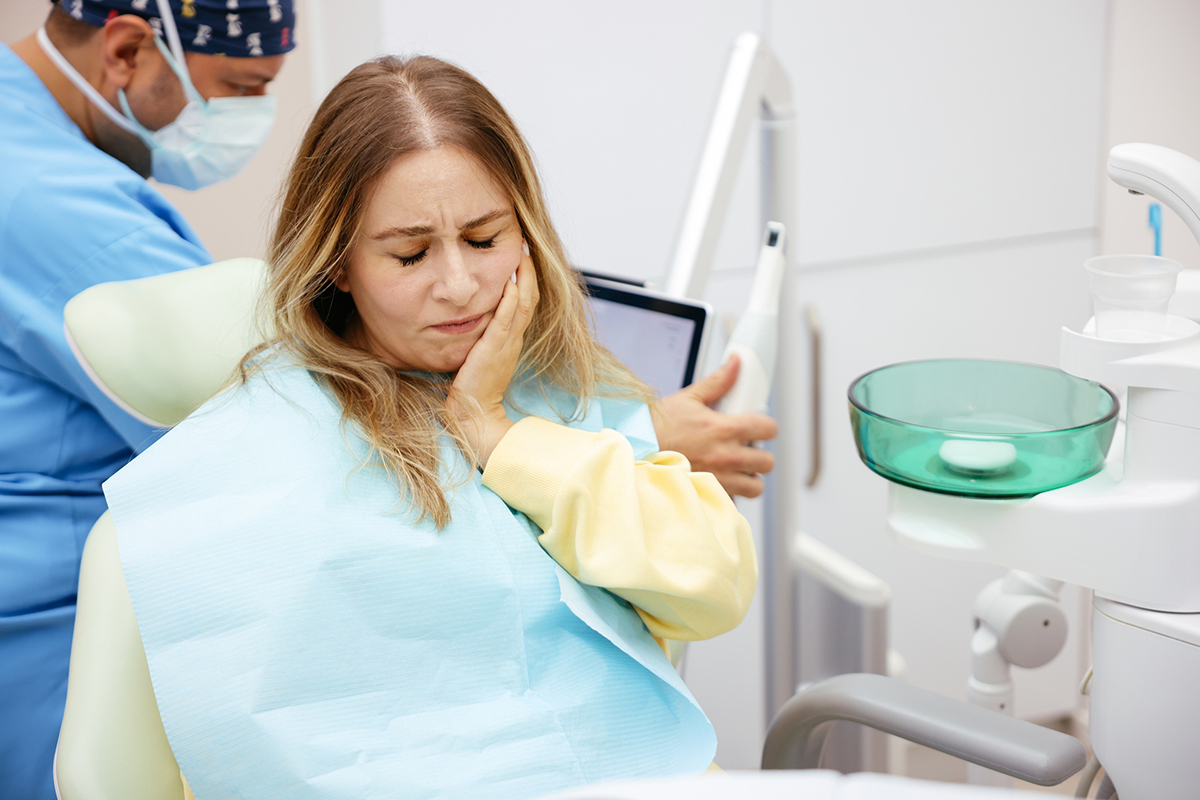
A dental emergency can occur at any time. Whether it’s a bad toothache, a knocked out tooth, or a jaw injury, you may be unsure of where to go. Many people head straight to the ER without knowing whether it’s the right place for their problem. In many cases it ends up being a wasted trip when going to an emergency dentist would have been a better choice.
Some dental emergencies may need an ER, but most are best handled by a dentist who can actually fix the tooth. In this post we will explain how to tell the difference between a dental emergency and a medical emergency, which situations belong where, and what to do while you wait for care.
What Counts as a Dental Emergency?
A dental emergency is a problem involving severe pain, bleeding, infection, or damage that needs prompt attention to protect the tooth or your health. Other situations may be urgent but not emergencies, such as a mildly chipped tooth or slight sensitivity that can wait for a regular appointment. Knowing what to do is essential, because acting quickly often makes the difference between saving and losing a tooth.
When to Go to the Emergency Room
Signs of a Life-Threatening Situation
- Facial or neck swelling that makes it hard to breathe or swallow.
- Swelling with a high fever, chills, or feeling very ill, which can signal a spreading infection.
- Bleeding from the mouth that won’t stop after 10–15 minutes of firm pressure.
- A suspected broken or dislocated jaw.
- Mouth or tooth injuries that happened alongside a head injury, loss of consciousness, or other serious trauma.
What the ER Can and Can’t Do
ER teams can stabilize you, control bleeding, treat serious infections, manage pain, and address jaw fractures or trauma. However, most ERs don’t have dentists on staff and can’t repair teeth, place fillings, or perform root canals. Patients typically still need a dental visit afterward for definitive treatment.
When to Call Your Emergency Dentist
Knocked-Out (Avulsed) Tooth
- Time-sensitive: the best chance of saving the tooth is getting to a dentist within about 30–60 minutes.
- Pick it up by the crown, not the root; rinse gently without scrubbing.
- Try placing it back in the socket, or store it in milk or the patient’s saliva.
- Note: if the injury also involves a head injury or heavy bleeding, go to the ER first.
Severe Toothache
- Persistent, throbbing pain may point to deep decay or an infected nerve.
- Root canal therapy is often the treatment that relieves the pain and saves the tooth.
Cracked, Chipped, or Broken Tooth
- Rinse with warm water, apply a cold compress, and save any broken pieces.
- Same-day crowns can restore a broken tooth in a single visit.
Dental Abscess Without Breathing or Swallowing Trouble
- Signs include a pimple-like bump on the gums, localized swelling, a bad taste, or pain when biting.
- Needs prompt dental care, but proceed to the ER if swelling spreads or fever develops.
Lost Filling or Crown and Damaged Dental Work
- Keep the crown, avoid chewing on that side, and call for an appointment.
- Can include broken dentures or loose implant restorations.
How to Decide in the Moment
Ask a few simple questions:
- Can I breathe and swallow normally?
- Is the bleeding controlled?
- Did I hit my head or injure my jaw?
If you answered yes to any of these questions, go to the ER or call 911. If the problem is limited to the teeth or gums, call your dentist first. We recommend saving our office’s number in your phone so it’s handy when something happens (808-261-5951).
What to Do While You Wait for Care
If the situation is not an emergency, you may have some time to wait before your appointment. The following tips can help you stay as comfortable as possible until you can get to the dentist.
- Rinse gently with warm salt water to keep the area clean.
- Use a cold compress on the outside of the cheek to reduce swelling.
- Take over-the-counter pain relievers as directed on the label, and never place aspirin directly on the gums.
- Avoid very hot, cold, or hard foods and chewing on the affected side.
- Keep any broken pieces of teeth or dental work and bring them to your appointment.
Fast, Local Help When Your Smile Can’t Wait
Rest assured that most dental emergencies can be handled in a dental office, often faster and at lower cost than an ER visit. Kailua Town Dental welcomes emergency patients, including those with or without insurance. Dr. Leon Johnson has extensive experience with root canal therapy, same-day crowns, dental implants, and oral surgery.
We understand that emergencies can be scary, and we are here for you when you need us. Please call 808-261-5951 as soon as a problem starts, since early treatment often means a simpler, less invasive fix.
Frequently Asked Questions About Dental Emergencies
Can the emergency room fix a broken tooth?
Generally no; ERs can manage pain and infection, but repairs require a dentist.
How fast do I need to see a dentist for a knocked-out tooth?
Ideally within 30–60 minutes, which offers the best chance of successful reinsertion. Be sure to store the tooth in milk or saliva while on the way to your dentist.
Is a toothache ever a reason to go to the ER?
Yes, if it comes with facial swelling, fever, or difficulty breathing or swallowing. Otherwise, your dentist is better equipped to handle the situation.
What should I do if I have a dental emergency when the office is closed?
Call the office and follow the after hours voicemail instructions to receive a call back. Use at-home comfort measures and go to the ER for any life-threatening symptoms.
Will an emergency dental visit cost more than an ER visit?
Usually not; an emergency dental visit often costs less and addresses the actual problem, avoiding a second visit afterward.
Kailua Town Dental, led by Dr. Leon Johnson, provides family-oriented general, restorative, cosmetic, and emergency dental care to patients throughout Kailua and the windward side of Oahu. If you’re dealing with a dental emergency or need to schedule a visit, contact us today to get the care your smile needs.