
Teeth whitening can provide a dramatic difference in a short amount of time.
Teeth whitening is one of the quickest ways to refresh your smile, and professional treatments can produce a noticeable change in a relatively short window of time. Depending on your schedule, comfort level, and how quickly you want results, your dentist can offer two main approaches: an in-office procedure or a custom at-home kit.
Kailua Town Dental provides teeth whitening in Kailua, HI. Call 808-261-5951 to learn more and schedule an appointment.
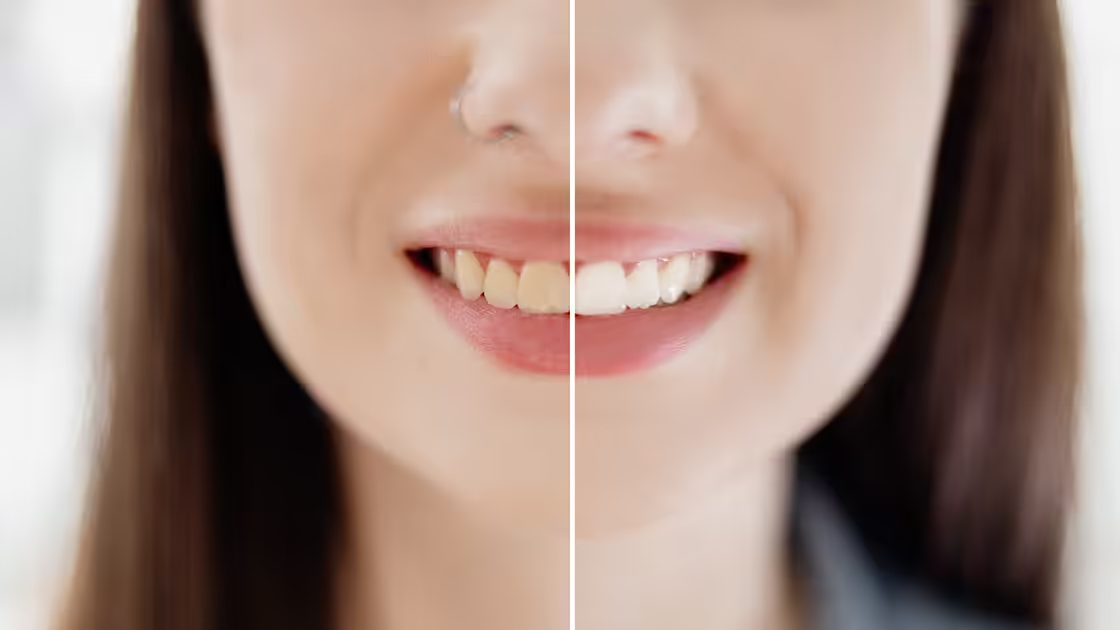
In-Office Bleaching
In-office whitening is the fastest route and typically takes just a single appointment. Before any bleaching agent touches your teeth, your dentist will carefully isolate your gums using either a protective gel barrier or a thin rubber shield. This step matters because it keeps the peroxide off the soft tissue, where it can cause irritation. Once your gums are protected, the dentist applies a professional-strength hydrogen peroxide gel — usually somewhere between 25 and 40 percent concentration — directly to the enamel. Some offices pair the gel with a specialized LED or laser light, though it’s worth knowing that current research is mixed on whether the light meaningfully boosts results at these higher concentrations. Either way, you can generally expect to walk out with visibly brighter teeth the same day.
At-Home Bleaching with Custom Trays
The at-home option takes a little longer but gives you more flexibility. It starts with a quick visit to take impressions of your teeth, which are used to fabricate custom-fitted trays that look a bit like thin, clear mouth guards. These trays hold a lower-concentration carbamide peroxide gel — typically around 10 percent, which is the concentration backed by the American Dental Association’s Seal of Acceptance — snugly against your tooth surfaces so the whitening agent works evenly. Depending on the gel strength and your dentist’s instructions, you might wear the trays for a couple of hours a day or overnight, usually for about two to six weeks. People with deeper or more stubborn staining may extend treatment further under their dentist’s guidance.
What to Expect and Who’s a Good Candidate
The most common side effects from either method are tooth sensitivity and mild gum irritation, and both are usually temporary — they tend to fade within a few days of finishing treatment. You can lower your odds of sensitivity by following your dentist’s schedule closely, avoiding very hot or cold foods during treatment, and using a toothpaste formulated for sensitive teeth. It’s also important to know that whitening agents only lighten natural tooth enamel. Crowns, veneers, bonding, and fillings won’t change color, so if you have restorations in your smile line, your dentist may recommend whitening first and then matching any future dental work to your new shade.
Keeping Your Results Looking Bright
How long your whitening lasts really comes down to daily habits. Coffee, tea, red wine, cola, and deeply pigmented foods like berries or tomato sauce can all contribute to new stains over time, as can tobacco use. Rinsing with water after you consume staining foods and drinks, brushing twice a day, flossing, and keeping up with regular professional cleanings all help your results stick around longer. Many people also do short “touch-up” treatments with their custom trays every few months to maintain their shade. Before starting any whitening regimen, it’s a good idea to have a check-up first — untreated cavities, gum disease, or worn enamel can make whitening uncomfortable or less effective, and your dentist can help you choose the option that makes the most sense for your smile.